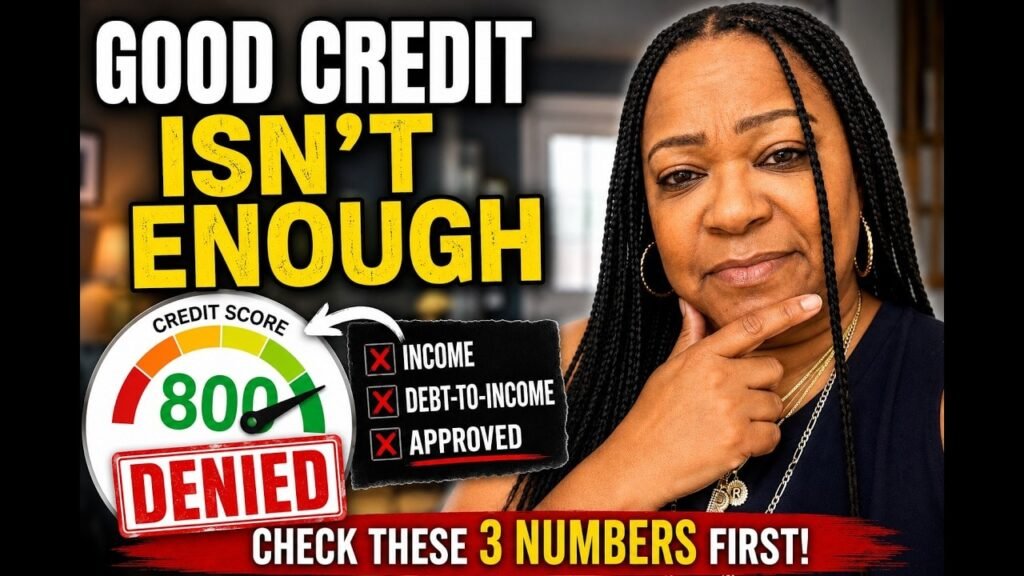
Buying a house is not just about having a decent credit score. Your money, your income, your bank account activity, and the way you manage everyday bills can all affect whether a mortgage lender says yes, no, or not yet.
A lot of people, especially first-time homebuyers, have never been taught the financial habits that make the mortgage process easier. That is not a judgment. It is just the truth. But if buying a home is on your list for 2026 or beyond, it is time to get your finances organized like someone preparing for a major purchase.
You Need Documentable Income to Buy a Home
First things first: you need income to buy real estate. A lender needs to see that you have money coming in consistently and that you can afford the monthly mortgage payment along with your other debts.
For most borrowers, that income comes from:
- A regular job working for a company or employer
- Self-employment income
- Qualifying retirement, disability, or other documented benefit income
- Another reliable source that can be verified and used under the loan guidelines
If your only income is limited Social Security or SSI, it may not be enough to qualify for the home you want. That does not mean homeownership is impossible, but it may mean you need a lower-priced property, a qualified co-borrower, or additional stable income.
The key word is documentable. Mortgage underwriting is about reducing risk. Lenders need to see where your income comes from, how often you receive it, and whether it is likely to continue.
Get a Real Checking Account
If you are getting paid on a payroll card, through a prepaid card, or moving all your money through apps, make it easier on yourself before you apply for a mortgage. Open a regular checking account with a bank or credit union.
Cash App, Zelle, Chime, prepaid pay cards, and similar tools can be useful for moving money. But when you are applying for a mortgage, they can create documentation problems. Some lenders may not accept certain account types at all, while others may require extra statements, explanations, or verification.
What lenders want to see is simple:
- Your employer deposits your pay into an identifiable account.
- Your bank statements clearly show the deposits.
- Your account activity makes sense based on the income listed on your application.
- Your funds for closing costs and down payment can be sourced.
When your paycheck goes into a traditional checking account, it is much easier to follow the trail. Your money came from your employer and landed in your account. That is clean, clear documentation.
There are plenty of banking options, including online banks. The point is to use an account that provides regular statements and creates a clear record of your financial activity.
Why Random Money Transfers Can Raise Questions
Mortgage underwriters have to review where money comes from and where it goes. Large or frequent transfers from people with usernames, nicknames, or unclear identities can create questions that slow down your loan.
If an underwriter is trying to calculate your income but sees deposits from accounts with names like “MinnieMouse123,” they cannot automatically assume that money is employment income. It could be a gift, repayment, business income, borrowed money, or something else that needs to be documented.
That does not mean every Cash App transaction is bad. It means that if your bank statements are full of unexplained incoming and outgoing transfers, expect questions. Lenders are required to review financial activity carefully as part of their efforts to prevent fraud and money laundering.
Keep your finances as simple as possible. When it is easy to understand your money, it is easier to underwrite your mortgage file.
Do Not Spread Your Money Across Too Many Accounts
Having ten or fifteen different accounts may feel like you are staying organized, but it can become a hot mess when you apply for a mortgage.
Remember, there is a real person reviewing your loan file. Even when automated underwriting gives a favorable recommendation, an underwriter still has to examine your documents and make sure everything is supported.
If your money is scattered everywhere, someone has to piece together months of statements to figure out:
- Where your paycheck goes
- Which account holds your closing funds
- Whether deposits are income, transfers, gifts, or something else
- Whether you have enough verified money for your down payment and closing costs
Make it easy. Keep your paycheck and your homebuying funds in one account, or two at the most. One checking account for income and bills, plus a savings account for your home fund, is usually much easier to document than money moving through a long list of accounts.
If a lender asks for statements, provide complete and accurate documentation for every account required by the loan program. Do not try to hide assets, transfers, or accounts that must be disclosed. Different loan programs have different rules, and your loan officer can explain exactly what documentation is needed for your situation.
Understand the Difference Between Debit and Credit
This may sound basic, but it matters. A debit card and a credit card are not the same thing.
Debit Card
When you use a debit card, the money comes directly out of your checking account. If you do not have enough money available, the transaction may be declined, create an overdraft, or trigger an overdraft line of credit.
Gas stations, hotels, and certain merchants may also place temporary holds on your account. So even if you have money in the bank, your available balance can be lower than you expect.
Credit Card
When you use a credit card, a lender has given you a line of credit. You can make purchases with that credit, but you must pay the money back. At a minimum, you have to make the required payment when the bill comes due.
Used responsibly, credit can help build a positive credit history. Used carelessly, it can add debt, increase your monthly obligations, and make mortgage approval harder.
Repeated Overdrafts Can Stop a Mortgage Approval
Your bank statements matter. Lenders review them, and repeated overdrafts are a major warning sign.
If you are overdrafting every month, using overdraft protection constantly, or relying on an overdraft line of credit to make it through the month, you may not be ready to take on a mortgage payment.
More than a couple of overdrafts in a month can be a serious problem for many lenders. It tells the underwriter that your budget may already be stretched too tight.
Before applying for a mortgage, work on getting your account stable:
- Stop using overdraft protection as regular spending money.
- Track your account balance before using your debit card.
- Build a small cushion so temporary holds do not cause a negative balance.
- Reduce unnecessary subscriptions and recurring charges.
- Pay attention to when automatic payments are scheduled.
A mortgage is a long-term commitment. Your bank statements should show that you are managing the money you already have coming in.
Be Careful With Klarna, Afterpay, Affirm, and Buy Now, Pay Later
Buy now, pay later services can make purchases feel manageable because they split the cost into smaller payments. But do not forget that those payments are still debt obligations.
Klarna, Afterpay, Affirm, and similar payment options may also involve credit inquiries or credit reporting, depending on the provider and transaction. If you keep opening new payment plans, you can add monthly debts right before applying for a mortgage.
That can hurt your debt-to-income ratio, often called DTI. Your DTI compares your monthly debt payments to your gross monthly income. The higher your monthly debt payments are, the less room you may have for a mortgage payment.
Here is the practical advice: pay off your Klarna, Afterpay, and Affirm balances before applying for a mortgage.
If you have a small purchase with two payments left, take care of it. If you financed a vacation or a bigger purchase and still have several monthly payments remaining, get it paid down before you start the mortgage process if possible.
Do not apply for a mortgage while you are still opening new buy now, pay later accounts. You want your finances to look boring, stable, and manageable. Boring is beautiful in underwriting.
CREDITWORTHY STARTER KIT
Free Tools to Help You Build Confidence, Crush Debt, and Become Financially Empowered
Do Not Count New Side Income Too Soon
A part-time job, Uber Eats, Instacart, freelance work, or another side gig may absolutely help you save money. But that does not automatically mean a lender can use it to help you qualify.
In many cases, mortgage lenders want to see a two-year history for part-time income, self-employment income, and gig economy income. They also need to see that the income has been properly reported on your tax returns when required.
If you just started a second W-2 job or began driving for a delivery service a few months ago, do not assume that income will count toward your mortgage approval. You can still use that extra money to strengthen your position by saving it for:
- Your down payment
- Closing costs
- Moving expenses
- Emergency savings
- Paying down credit cards or buy now, pay later balances
When you complete your mortgage application, be accurate about every source of income and employment. Your lender will tell you which income can be used based on your history and the specific loan guidelines.
Set Up Your Money for Homeownership
If you want to buy a house in 2026 or beyond, start acting like a future homeowner now. You do not need to be perfect. You do need to be organized.
Here is the simple game plan:
- Keep steady income coming in. Employment, self-employment, or qualifying benefit income needs to be consistent and documentable.
- Use a traditional checking account. Have your paycheck deposited into an account with clear monthly statements.
- Open a savings account. Start setting aside money for your home purchase and keep your funds easy to document.
- Avoid repeated overdrafts. Show that you can manage your current bills before adding a mortgage.
- Pay down short-term financing. Clear Klarna, Afterpay, Affirm, and similar obligations before applying.
- Keep accounts simple. Do not make the underwriter chase your money through a dozen different apps and accounts.
- Build your credit carefully. Review your reports through AnnualCreditReport.com and address errors or balances before beginning the mortgage process.
Buying a home is a financial paper trail. The cleaner your income, banking, savings, and debt picture looks, the smoother your mortgage process can be. Get a real checking account, protect it from overdrafts, keep your money organized, and give yourself the best possible chance to get approved when it is time to buy.